Passing down a crystal vase through three generations often means inheriting more than glass; it’s a vessel of family history. While many focus on the blooms, nearly nine out of ten successful floral displays rely on the structural integrity of the container. Mastering this art ensures your heritage pieces remain vibrant centerpieces of the home. This guide explores professional techniques to harmonize seasonal flowers with high-end crystal.
The Art of Selecting the Right Crystal Vessel
When arranging flowers, the vase is not merely a container-it’s the foundation of the composition. The choice of vessel influences balance, proportion, and even the longevity of the bouquet. For arrangements meant to command attention, selecting the right size and material is non-negotiable. A poorly matched vase can undermine even the most thoughtfully chosen blooms.
Proportion and Scale in Floral Design
The golden rule? The height of your arrangement should be about one and a half to two times the height of the vase. This ensures visual harmony and prevents top-heaviness. For those seeking to showcase monumental bouquets, selecting a large crystal vase for flowers provides the necessary weight and clarity to anchor your design. Tall, narrow vases suit long-stemmed varieties like gladioli, while shorter, broader silhouettes complement lush, voluminous blooms.
Crystal vs Glass: Understanding the Brilliance
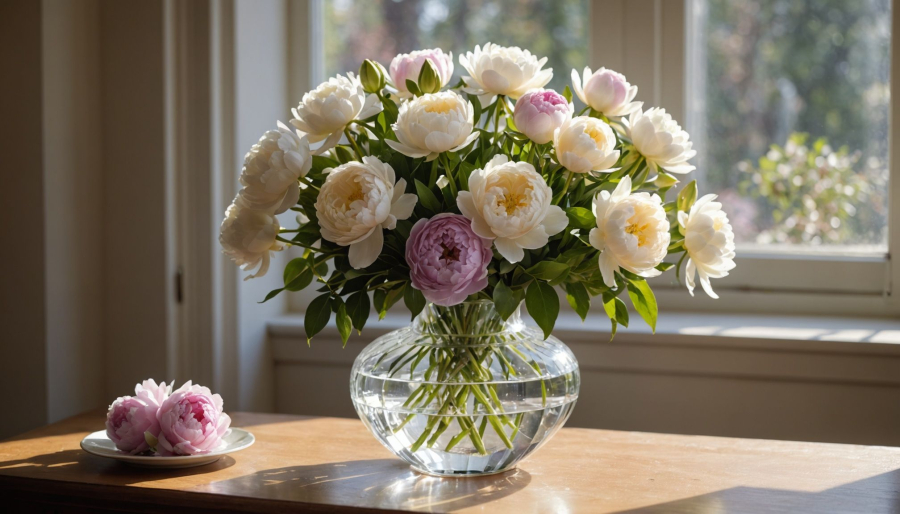
Lead crystal refracts light differently than standard glass, creating a prismatic effect that enhances both the water and stems within. This refractive quality brings depth to an arrangement, making colors appear more saturated and textures more defined. Unlike machine-made glass, mouth-blown crystal carries subtle variations-each piece is unique. These imperfections aren’t flaws; they’re proof of human craftsmanship and a hallmark of authenticity.
Matching Vase Shapes to Flower Species
Bud vases work beautifully for single stems-think a calla lily or a peony-allowing the flower to stand as a sculptural element. Wide-mouth vases, on the other hand, are ideal for hydrangeas or garden roses that need space to spread. The heavy base of a quality crystal vase adds stability, especially when working with dense arrangements. This weight prevents tipping and ensures the piece feels grounded on the table.
Core Techniques for Professional Arrangements
Creating a polished floral display isn’t just about placing stems in water-it’s about structure, rhythm, and intention. Professionals don’t rely on chance; they build arrangements from the inside out, using techniques that ensure longevity and visual flow.
Building the Greenery Foundation
Start with foliage. Use sturdy greens like ruscus or eucalyptus to create a grid at the vase’s opening. This criss-cross stem technique acts as a natural support system, holding flowers in place without visible mechanics. The grid also encourages even distribution, preventing blooms from collapsing toward the center. This method is especially effective in wide-mouth crystal vases, where floral foam would obscure the craftsmanship.
Positioning Focal Flowers with Precision
Place your largest blooms-roses, dahlias, or peonies-strategically. One or two should dominate as focal points, slightly taller than the rest. Rotate the vase as you work, placing each stem at a slight angle to create movement. Avoid symmetry; a slightly asymmetrical layout feels more organic and dynamic. The clarity of crystal allows every stem to be seen, so precision matters.
Final Touches and Texture Fillers
Once the structure is set, add delicate accents. Baby’s breath, hypericum berries, or fern tips introduce contrast and softness. These fillers should complement, not overwhelm. The goal is to eliminate visual gaps without crowding the mouth of the vase. A well-balanced arrangement feels full but not chaotic-each element has room to breathe.
Essential Tools for the Modern Florist
You don’t need a professional studio to create gallery-worthy arrangements, but the right tools make all the difference. Skip the kitchen scissors; precision instruments preserve both stem health and vase integrity.
Maintaining Stem Health and Longevity
Fresh cuts are essential. Always trim stems at a 45-degree angle-this increases surface area for water absorption and prevents them from sitting flat on the vase bottom, which can block uptake. Use clean, room-temperature water and add flower food to inhibit bacterial growth. Dirty water is the fastest way to shorten a bouquet’s life.
Support Accessories for Crystal Vases
Floral foam is practical but problematic in crystal. It scratches delicate interiors and hides the beauty of hand-cut facets. Instead, consider alternatives that preserve transparency.
- Sharp bypass pruners for clean stem cuts
- Floral tape to create a supportive grid across the rim
- Flower food packets to extend bloom life
- A soft cleaning brush designed for intricate crystal
- A narrow-spout water pitcher for mess-free filling
Seasonal Inspiration and Color Palettes
The right flowers change with the seasons-and so should your approach to arranging. Pairing blooms with complementary crystal styles enhances the mood of each display. A fluted vase in spring feels light and airy; a heavy, cut design in winter adds warmth and opulence.
| Season | Recommended Flowers | Crystal Style |
|---|---|---|
| Spring | Tulips, Lilacs, Ranunculus | Fluted or ribbed vase with a slender neck |
| Summer | Sunflowers, Dahlias, Zinnias | Wide-mouth, heavy-based vase for volume |
| Autumn | Chrysanthemums, Marigolds, Burgundy Roses | Deep-cut, angular vase with warm-toned crystal |
| Winter | Amaryllis, Evergreens, Anemones | Short, faceted vase with candle-like brilliance |
Preserving Your Crystal Heritage
A crystal vase is not just a decorative object-it’s an heirloom. With proper care, it can remain pristine for generations. But crystal is sensitive. Harsh treatments or neglect can dull its brilliance or even cause permanent damage.
Proper Cleaning Methods for Intricate Cuts
Always hand-wash with mild soap and lukewarm water. Avoid the dishwasher-high heat and strong detergents can cause clouding over time. For residue in deep cuts, a soft brush and a vinegar-water solution (1:1) gently dissolve mineral deposits. Rinse thoroughly to avoid any scent interference with fresh blooms.
Safe Storage for Fine Decoration
Store vases in a stable environment-avoid attics or basements with fluctuating temperatures. Keep them away from direct sunlight, which can fade floral dyes and weaken adhesives in vintage pieces. Wrap each vase in a soft, lint-free cloth to prevent micro-scratches. For long-term storage, place a folded cloth inside to absorb moisture.
Routine Water Changes
Change the water daily. Stagnant water doesn’t just wilt flowers-it can etch the interior of crystal over time, especially if it contains flower food or stem debris. Empty, rinse, and refill each day. This simple habit keeps both the arrangement and the vase in optimal condition.
Common Inquiries
I inherited an old vase with white cloudy stains; can I still use it for fresh flowers?
Cloudiness often comes from mineral buildup or surface corrosion, not structural damage. A gentle soak with warm water and vinegar usually restores clarity. Once cleaned, the vase is perfectly safe for fresh flowers-its function and beauty can be revived.
How do I secure a heavy hydrangea arrangement so the crystal vase doesn't tip?
Use the vase’s weight to your advantage. Start with a greenery base to distribute mass evenly. Avoid overloading one side. If needed, place a small, flat stone or glass weight at the bottom before adding water-this lowers the center of gravity.
Is it safe to use floral foam inside a hand-cut crystal vase?
Not recommended. Floral foam can scratch delicate cuts during insertion or removal. It also traps moisture against the glass, increasing the risk of staining. Opt for floral tape grids instead-they’re invisible and non-abrasive.
What is the best way to dry a tall vase without leaving water spots?
After washing, rinse with distilled water to prevent mineral deposits. Dry the exterior with a microfiber cloth. For the interior, place the vase upside down on a soft towel in a dust-free area. Air drying avoids contact and lint residue.
How often should I trim the stems once they are in the vase?
Trim stems every two days. A fresh 45-degree cut removes any sealed or bacteria-blocked ends, restoring water uptake. Always re-cut above the previous trim to ensure a clean, open pathway for hydration.
